Your hair doesn’t grow all at once; it follows a continuous, natural cycle that affects how long, thick, and healthy it can become. Knowing which stage your hair is in helps you understand what's normal, what needs attention, and how your treatment works.
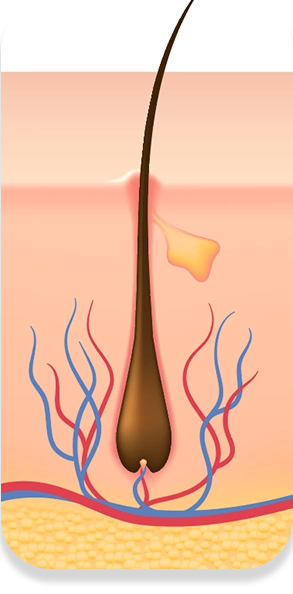
Anagen Phase -
The Growth Stage
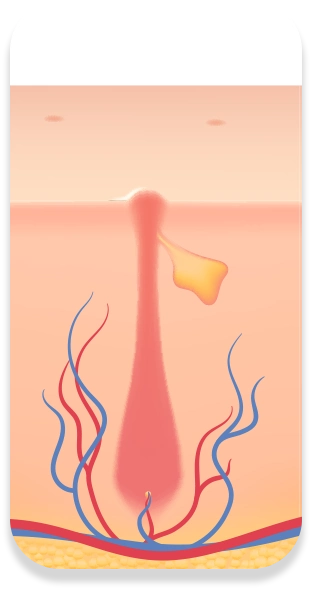
Duration: 2 to 6 years What Happens: This is the most active and productive phase of the hair cycle. Hair cells divide rapidly at the root, pushing the strand upward and outward. About 85–90% of the hair on your scalp is in this phase at any given time. Why It Matters: The longer your hair stays in the anagen phase, the longer it can grow. Genetics, health, and nutrition influence this duration.
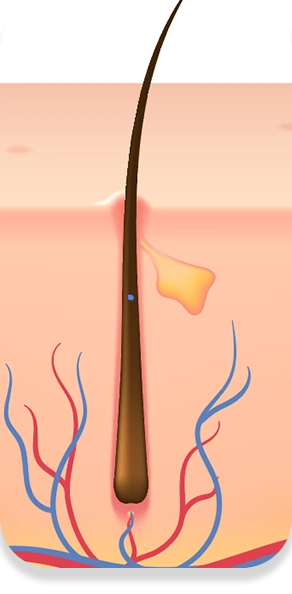
Catagen Phase -
The Transition Stage
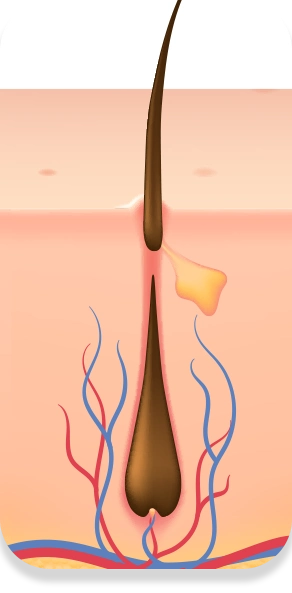
Duration: 1 to 2 weeks What Happens: This is a brief period where active growth stops. The hair follicle shrinks and detaches from the blood supply, preparing to shed. Only a tiny portion of your hair (1–2%) is in this phase at any time. Why It Matters: It’s a natural reset for your follicles. While short, this stage ensures that only healthy follicles move forward to support future growth.
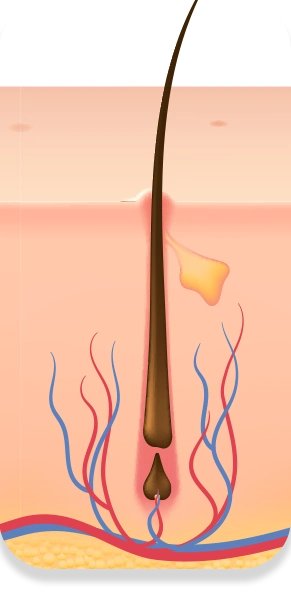
Telogen Phase -
The Resting Stage
Duration: 5 to 6 weeks (can extend up to 3 months in some people) What Happens: Hair remains in the follicle but doesn’t grow. It stays anchored while the follicle regenerates below. Around 10–15% of your hair is in this phase. Why It Matters: Prolonged telogen (due to stress, illness, or hormones) can result in telogen effluvium, a condition where more hair sheds than usual.
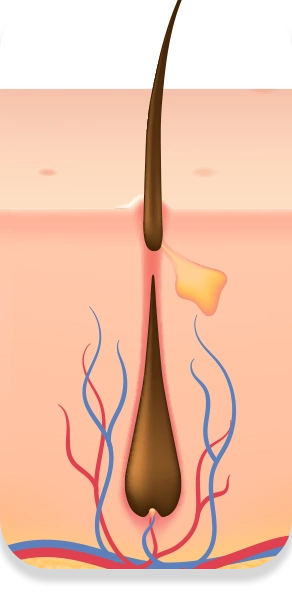
Exogen Phase -
The Shedding Stage
Duration: A few days to a few weeks What Happens: This is when old, resting hair finally falls out, often noticed during combing or washing. It makes room for a new anagen (growth) cycle to begin. Why It Matters: Shedding 50–100 hairs daily is normal. Excessive loss may signal underlying scalp or hormonal issues.
Kenogen Phase -
The Pause Before Regrowth
Duration: A few weeks to a few months (varies by individual) What Happens: This is the silent gap after hair has shed and before new growth starts. The follicle remains empty and inactive during this time. It’s not a standard phase in every follicle, but becomes more prominent with age or in hair loss conditions. Why It Matters: A prolonged Kenogen phase can reduce hair density and volume. Scalp nourishment, reduced inflammation, and good nutrition can help shorten this inactive period.
Return to Anagen -
New Hair Begins to Grow
Duration: Immediate onset after kenogen (no set time) What Happens: New hair begins to form inside the follicle, restarting the active growth (anagen) cycle. The follicle attaches to the blood supply, and cell division resumes at the root. Why It Matters: This stage signals healthy follicle recovery and hair renewal. Supporting this return with proper care ensures fuller, consistent growth over time.
Women: Stress related to childbirth, lifestyle changes, and emotional factors.
Nutrition
Men: Deficiencies in iron, zinc, biotin, and Vitamin D impact hair health.
Women: Iron and Vitamin D deficiencies most commonly affect hair strength.
Medical
Men: Illness, fever, and medication side effects (antidepressants, beta-blockers) contribute to hair loss.
Women:Thyroid imbalances, autoimmune disorders, and chronic illnesses cause shedding.
Genetics
Men: Hereditary male-pattern baldness progresses with age.
Women: Female-pattern hair loss is genetic, causing diffuse thinning mainly at the crown.
Lifestyle Factors
Men: Smoking, alcohol consumption, and poor sleep worsen hair loss risk.
Women: Smoking, alcohol, poor sleep, and contraceptive use affect hair health.
Tip: Start care early. Balanced nutrition and stress control can delay or reduce hair loss.
Why Each Step Matters:
Root to Scalp Care
Healthy hair starts below the surface. Each step in your routine supports stronger, thicker, and longer-lasting hair. Here's how
Cleansing -
Reset the Scalp
What It Does: Removes dirt, sweat, product buildup, and excess oil that can clog hair follicles and block nutrients.
Why It Matters: A clean scalp creates the ideal environment for new hair to grow. Without regular cleansing, follicles may shrink or become inflamed.
Nourishing -
Feed the Roots
What It Does: Delivers essential nutrients like biotin, zinc, iron, and amino acids directly to the hair root.
Why It Matters: Nutrient-rich hair follicles produce thicker, stronger strands. Deficiencies can lead to weak, brittle hair and increased shedding.
Stimulating -
Wake Up the Follicles
What It Does: Boosts blood circulation with scalp massage or active ingredients like caffeine or Minoxidil.
Why It Matters: Better circulation brings more oxygen and nutrients to the follicles, helping to “wake up” dormant follicles and supporting faster growth.
Protecting -
Guard What You Grow
What It Does: Shields your hair and scalp from external stressors like UV rays, heat tools, harsh water, and pollution.
Why It Matters: Environmental damage weakens the hair shaft and breaks down keratin structure, leading to premature ageing and breakage.
Hair Zone Insights
Understand Your Hair from Root to Tip
Hair Tips
“Your hair isn’t falling out; it’s breaking.”
Cause: Dry, weak ends break off before they grow. It’s a sign of poor hydration. Solution: Hydrate deeply with a nourishing hair mask once or twice a week. Switch to sulphate-free cleansers and trim every 6–8 weeks to prevent split ends from worsening.
Lower Shaft
“Frizz, dryness, and heat damage?”
Cause: Lack of moisture and protein leaves it rough, weak, and easy to break. Solution: Restore balance with alternate use of moisture-rich and protein-based masks. Limit heat styling. Look for products with hydrolysed keratin or peptides to rebuild strand strength.
Upper Shaft
“Hair falling more than usual?”
Cause: Stress, hormones, or scalp issues weaken hair near the roots, leading to early thinning and shedding. Solution: Support your scalp with B-complex vitamins, stress-relieving herbs (also known as adaptogens), and gentle scalp massages. Use Minoxidil if excessive shedding persists, especially in cases of high stress or postpartum. Always consult your dermatologist before beginning treatment.
Crown & Vertex
“Thinning on top? That’s your scalp calling for help.”
Cause: Hair loss starts because of hormones like DHT, genetics, or other hormonal changes. Solution: Dermatologist-prescribed Minoxidil is clinically proven to slow down thinning and stimulate regrowth at the crown. Combine with DHT-blocking shampoos and hair care routine for long-term support.
Roots (Scalp Level)
“Oily? Itchy? Front hairline fading? It starts here.” Cause: Scalp problems like flakes, excess oil, stress, or post-pregnancy changes can lead to severe hair issues.
Solution: Cleanse with a salicylic acid or zinc-based shampoo twice a week. Strengthen your front hairline with Minoxidil if you’re experiencing thinning hair. Avoid tight ponytails or styles that stress the edges.
Explore more science-backed insights and make smarter choices for your scalp and strands.